Posts in Agroecology

Seed Keeping and Biodiversity – Σπόροι και βιοποικιλότητα

October 30th, 2018 Posted by Biodiversity, Seeds 0 thoughts on “Seed Keeping and Biodiversity – Σπόροι και βιοποικιλότητα”

Reading Time: 2 minutes


Seed keeping, is one of our big loves, next to herbs! It is so rewarding to grow even a small part of what you eat daily…

(Για ελληνικά, δείτε παρακάτω)

These red sweet peppers thrived on our balcony from a heirloom variety seed! And hopefully some of their little seeds will grow into a plant loaded with peppers too, next year. Heirloom varieties, old varieties, traditional varieties, farmers varieties, landraces, no matter how we call them, they carry within them extremely rich genetic information, that allows them to adjust to different climates and soil types and survive change. This big genetic diversity offers us unique flavors and nutritional value. And this is what people used to grow and eat before the commercial, more productive (but not reproductive) varieties emerged a few decades ago.

Most professional farmers unfortunately abandoned them during the last decades, for the sake of more productive, genetically uniform, high yielding hybrid varieties. The new commercial seeds are certainly more productive, but only short term, because of their narrow genetic base. Farmers can’t save seeds to replant them, not to mention the high dependence on pesticides and fertilizers. Hopefully, small farmers all over the world have realized this problem and have started to replant heirloom varieties. Even though since 1900 we have lost more than 75% of our plant genetic diversity, according to FAO, it is never too late to start caring for our planet, our soil, our health -and of course the variety and richness of the tastes we enjoy- ..


Thankfully, there has been a very positive recent reform in EU legislation that will allow organic farming to focus on heirloom varieties so that they adjust locally and become more productive through breeding.


Είναι απίθανο να μπορείς παράγεις μόνος σου κάτι απ’ όσα τρως! Αυτές οι πιπεριές μεγαλώνουν στο μπαλκόνι μας από σποράκια που κρατήσαμε πέρυσι, από παλιά, παραδοσιακή ποικιλία. Μαζί με τα βότανα, οι παλιές ποικιλίες σπόρων είναι η μεγάλη μας αγάπη. Οι παλιές ποικιλίες είναι ανθεκτικές και προσαρμόζονται στον κάθε τόπο, ωστόσο έχουν εγκαταλειφθεί από τους περισσότερους αγρότες επειδή δεν είναι τόσο παραγωγικές όσο τα εμπορικά υβρίδια -τα οποία όμως χρειάζονται πολλά λιπάσματα και φυτοφάρμακα-.


Ενώ μέχρι και πριν από μερικές δεκαετίες όλοι καλλιεργούσαν αυτές τις ποικιλίες, σήμερα έχει χαθεί σχεδόν το 75% της φυτικής βιοποικιλότητας, σύμφωνα με τον FAO.

Ευτυχώς υπάρχουν πολλοί καλλιεργητές σε όλο τον κόσμο που αρχίζουν να τις καλλιεργούν ξανά.

Μάλιστα, μια πρόσφατη νομοθετική αλλαγή στην ΕΕ θα επιτρέψει στους βιοκαλλιεργητές να τους δώσουν προτεραιότητα, αφού οι παραδοσιακές ποικιλίες ταιριάζουν απόλυτα στη βιολογική γεωργία!

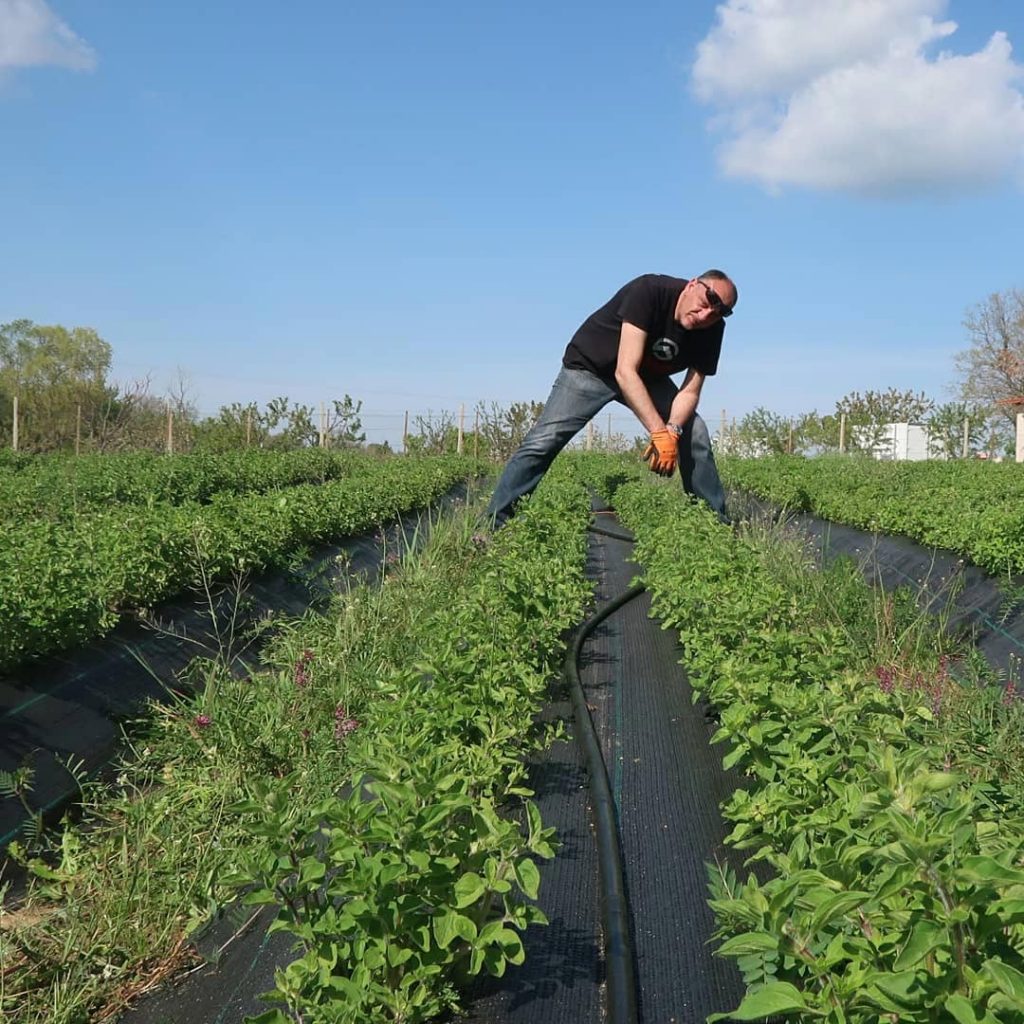
oregano plants with fabric mulch

Organic Weed Control: Is Landscape Fabric / Mulch Worth It? (Part 1)

May 5th, 2018 Posted by Agroecology, We 0 thoughts on “Organic Weed Control: Is Landscape Fabric / Mulch Worth It? (Part 1)”

oregano plants and fabric mulch in organic farm
Reading Time: 3 minutes

Για Ελληνικά δείτε παρακάτω.

Why Chemical Herbicides Aren’t an Option for Us

Organic farming is a lifetime love affair for us. Even when it comes to invasive weeds, chemicals are out of question. Seeking for alternatives we turned to our partners from ktimabioma and they suggested that we used fabric mulch. Michalis was excited and I was furious (Anastasia talking).

Ok, I know it helps keep the unwanted plants away, that the soil underneath is healthy (although it took me a lot of time to be convinced) and I surely know how much hard work it takes to get rid of the weeds by hand, in an organic farm with no herbicides at all Chemicals would make our work much easier –this is why conventional farmers prefer them- but the harm they do to the soil and our health is too severe to make them an option.

Despite the pros, I couldn’t overcome how ugly and unnatural fabric mulch seems on the ground and I also had my concerns about recycling it.

My objections were heard but overruled. Michalis works harder than me in the farm – everyone knows it – so I didn’t insist on my aesthetic and ideological objections. .

I kept suffering quietly while the mulch was laid and I even refused to visit the farm during winter, expressing my disagreement.

Does Fabric Mulch Actually Work for Organic Oregano?

Now, seeing the oregano plants thriving and remembering how many plants were lost when we didn’t use the mulch, I admit I feel comforted with the time, effort and money we will save (although the cost of the mulch was considerable). And I’m happy that the ‘wilds’ are also there, between the mulch lines, enhancing biodiversity.


But I still wish there was a way to have a balanced soil in a professional farm scale so that the unwanted plants wouldn’t harm our herbs, without having to spend years on preparing huge amounts of compost. .

I think it’s the first post that I talk about my personal views as Anastasia, compared to Michalis’s.


I prefer to share the things that we both agree on and focus on the “we” part of our story, but I felt that disagreements are also part of who we are, part of the journey through which we try to become better every day.


The point is not about being wrong or right, but being able to evaluate the circumstances and decide accordingly.
Even if in an ideal situation where time, effort and money didn’t matter, you would act differently.


Curious about how the debate continuous? You can read about our first evaluation on the fabric mulch here and you can continue to read our latest discoveries here

­­­­­­­­­­­­­­­­­­­­­­­­­­_____________________________________


fabric mulch in organic oregano farm

Βιολογική γεωργία και ζιζάνια

Η βιολογική γεωργία για εμάς είναι σχέση ζωής. Ακόμη κι όταν είδαμε πόση δουλειά χρειάζεται για να αντιμετωπίσεις τα επίμονα ζιζάνια χωρίς χημικά, πεισμώσαμε περισσότερο. Ψάχνοντας εναλλακτικές ρωτήσαμε τους συνεργάτες μας από το Κτήμα Βίωμα και πρότειναν να τοποθετήσουμε γεωύφασμα για εδαφοκάλυψη. Ο Μιχάλης ενθουσιάστηκε κι εγώ έγινα έξαλλη (Αναστασία εδώ).

Εντάξει, γνωρίζω ότι εμποδίζει τα ανεπιθύμητα φυτά να μεγαλώσουν αφού δεν επιτρέπει το φως να περάσει, ότι το έδαφος από κάτω παραμένει υγιές (αν και δυσκολεύτηκα αρκετά να πειστώ) και το σημαντικότερο, πόσο σκληρή δουλειά είναι να προσπαθείς να ξεχορταριάσεις στρέμματα ολόκληρα με τα χέρια. Στον αγρό μας δεν χρησιμοποιούμε ζιζανιοκτόνα, δεν επιτρέπονται στη βιολογική γεωργία αλλά έτσι κι αλλιώς είμαστε ριζικά αντίθετοι. Μπορεί να διευκόλυναν πολύ τη δουλειά μας – γι’ αυτό τα προτιμούν οι συμβατικοί αγρότες- αλλά η ζημιά που προκαλούν στο έδαφος και στην υγεία μας είναι πολύ σοβαρή για να την προσπεράσουμε .

Ωστόσο, παρά τα πλεονεκτήματα, δεν μπορούσα να ξεπεράσω το πόσο άσχημο και αφύσικο φαίνεται αυτό το υλικό επάνω στο έδαφος. Επίσης είχα τους προβληματισμούς μου για την ανακύκλωσή του όταν (μετά από χρόνια ευτυχώς) θα φθαρεί.

Οι ενστάσεις μου φυσικά απορρίφθηκαν. Ο Μιχάλης είναι αυτός που δουλεύει κυρίως στο χωράφι, εκείνος θα κουραζόταν να τσαπίζει ρίζα – ρίζα και να ξεριζώνει τα φυτά που εμποδίζουν τα βότανα να μεγαλώσουν, οπότε δεν επέμεινα στις αισθητικές και ιδεολογικές μου αντιρρήσεις.

Τώρα, βλέποντας τα φυτά να αναπτύσσονται δυναμικά, παραδέχομαι ότι ήταν η σωστή επιλογή, τουλάχιστον για τη φάση αυτή. Θυμάμαι πόσα φυτά «πνιγόταν» πριν χρησιμοποιήσουμε την εδαφοκάλυψη και συνειδητοποιώ το χρόνο, την προσπάθεια και τα χρήματα που θα γλιτώσουμε μακροπρόθεσμα. (Αν και το κόστος του γεωυφάσματος δεν ήταν καθόλου αμελητέο).

Χαίρομαι επίσης που ανάμεσα στα σημεία της εδαφοκάλυψης φυτρώνουν «αγριόχορτα», συχνά και άλλα βότανα, γεμίζοντας το χωράφι με ποικιλία.

Ωστόσο ακόμη εύχομαι να υπήρχε τρόπος να είχαμε ισορροπημένο έδαφος στην καλλιέργειά μας ώστε να μην χρειάζεται να παλεύουμε συνέχεια με τα «αγριόχορτα»


Αυτό είναι το πρώτο κείμενο που μοιράζομαι τις προσωπικές μου σκέψεις, ως Αναστασία απέναντι στον Μιχάλη.

Η αλήθεια είναι ότι προτιμάμε να μοιραζόμαστε τα «σημεία συνάντησής» μας, αυτά στα οποία συμφωνούμε, και να εστιάζουμε σε όσα μας ενώνουν. Ωστόσο και οι διαφωνίες είναι μέρος αυτού που είμαστε, της πορείας μέσα από την οποία εξελισσόμαστε.

Το ζήτημα δεν είναι αν έχεις δίκιο ή άδικο, αλλά να είσαι σε θέση να αξιολογείς τις ανάγκες, τις συνθήκες και να αποφασίζεις ανάλογα, υποχωρώντας αν χρειάζεται.

Wild-Harvested or Cultivated Herbs? Our choice for Biodiversity

April 24th, 2017 Posted by Agroecology, Biodiversity 0 thoughts on “Wild-Harvested or Cultivated Herbs? Our choice for Biodiversity”

Reading Time: 2 minutes


Can consuming herbs harm biodiversity?

When it comes to herbs, most of us think it’s only natural to harvest them from the wild. Especially in places like Greece, when you notice herbs like oregano, cistus or thyme, growing even in the most unexpected places like rocky surfaces or on the roadside, tempting you with their abundance and their resilience.

But how sustainable is picking wild herbs nowadays?

(more…)

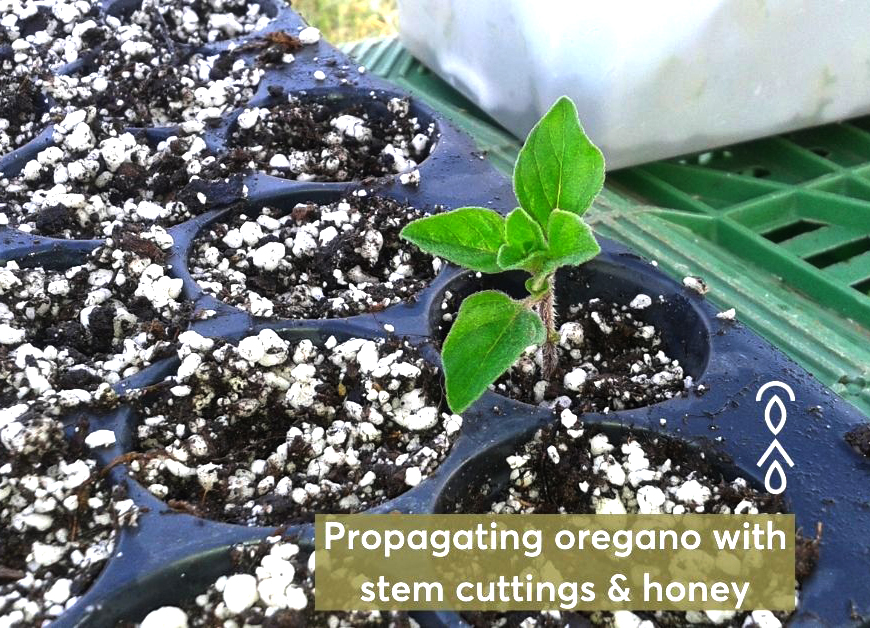
Propagating oregano with stem cuttings and honey

January 30th, 2017 Posted by Agroecology 0 thoughts on “ Propagating oregano with stem cuttings and honey”

Reading Time: < 1 minute

Propagating oregano with stem cuttings and honey
While preparing oregano stem cuttings for our plant nursery, we experimented with

(more…)